Cutting Out the Unnecessary
A home generator is not a replacement for the central power grid — it is a backup solution. Trying to include the simultaneous operation of an electric boiler, sauna, underfloor heating, and induction cooktop in the generator capacity is not economically reasonable. This would require the purchase of a heavy-duty industrial diesel power station. During a power outage, consumers are divided into three categories:
Critical loads: Heating circulation pumps, boiler automation, septic system, refrigerator, lighting, router.
Comfort loads: Kettle, microwave oven, split-system air conditioner, submersible irrigation pump.
Loads to be disconnected: Electric stove, oven, electric underfloor heating, electric sauna.
Starting Currents
Any equipment with an electric motor — pumps, compressors, air conditioners, refrigerators — consumes several times more power at the moment of startup than during normal operation. If the generator is selected without considering these peaks, the overload protection will be triggered. For example, a borehole pump with a rated power of 1.5 kW can require 3.5 to 4 times more power at startup, meaning its actual startup demand may reach 5.2–6.0 kW. A refrigerator rated at 0.4 kW, with a starting current coefficient of 3.0, may require around 1.2 kW when starting. An air conditioner with a rated power of 1.5 kW can create a startup load of up to 4.5 kW, while a circulation pump rated at 0.2 kW may require about 0.4 kW at startup. This is why generator selection should be based not only on the rated power of appliances, but also on their short-term peak loads during startup.
Important: Generator power is calculated based on the most demanding startup scenario. For example, when the life-support systems are already running and the borehole pump starts at that exact moment.
So, What Power Capacity Do You Actually Need?
5–7.5 kW: The optimal standard for most cottages up to 150–200 m². This capacity is enough to start a deep-well pump, operate boiler automation, refrigerators, lighting, and basic household appliances.
10–15 kW: A solution for larger homes with several air conditioners, powerful water filtration systems, or where partial operation of an electric kitchen area must be maintained.
20–50 kW and above: Required for properties with fully electric heating, developed infrastructure, or commercial applications.
Climate Specifics of Kazakhstan
When selecting a generator, it is important to consider operating conditions.
Winter peak: Outdoor diesel generators must be equipped with a coolant jacket preheating system and use winter-grade fuel. The main load falls on boiler automation and pump groups.
Summer peak: High air temperature reduces the efficiency of any internal combustion engine. When operating at +40°C, a generator can lose up to 10–15% of its rated power, which must be factored into the calculation at the design stage.
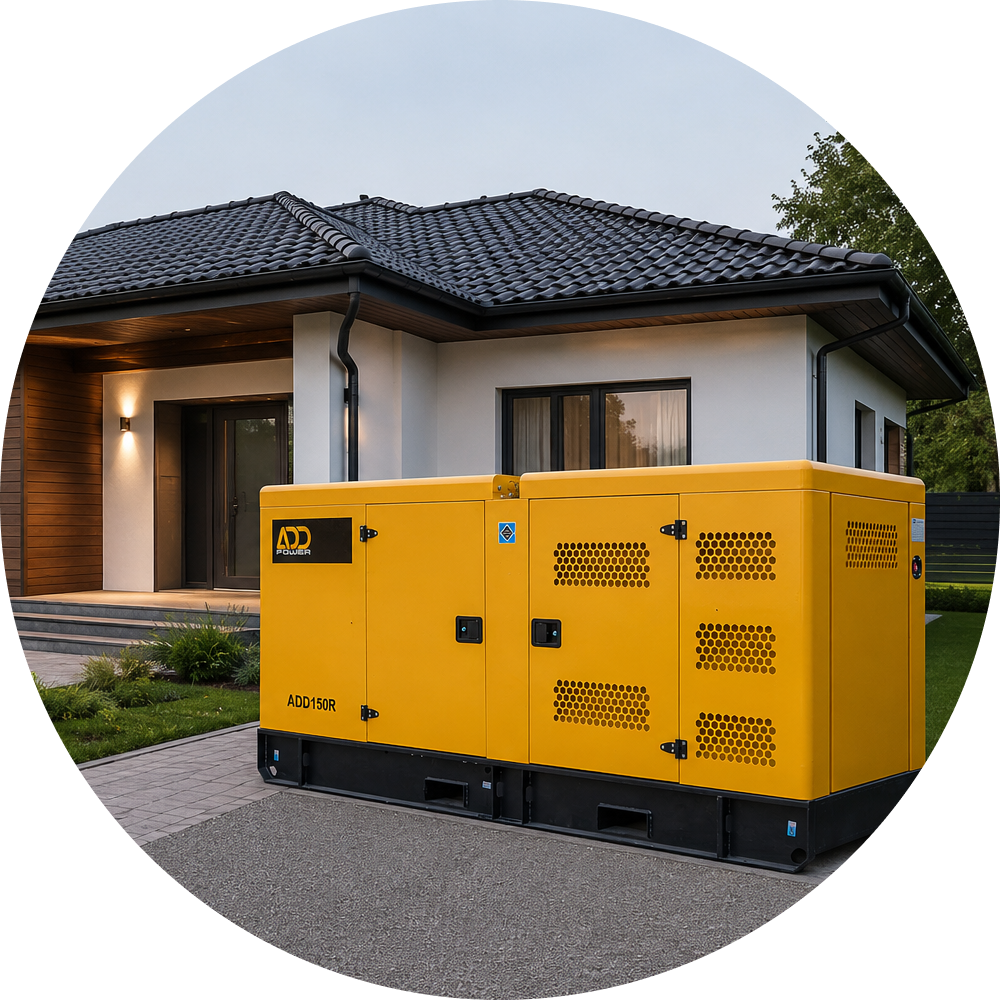
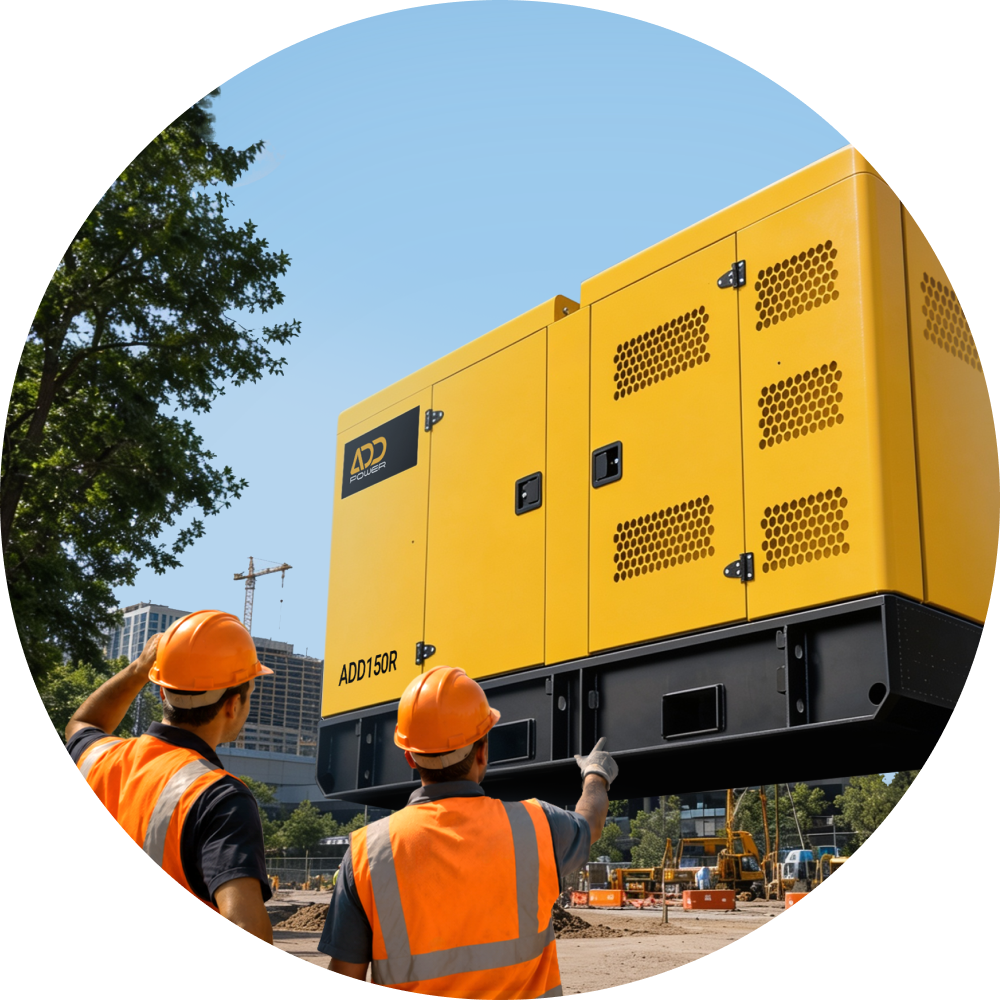
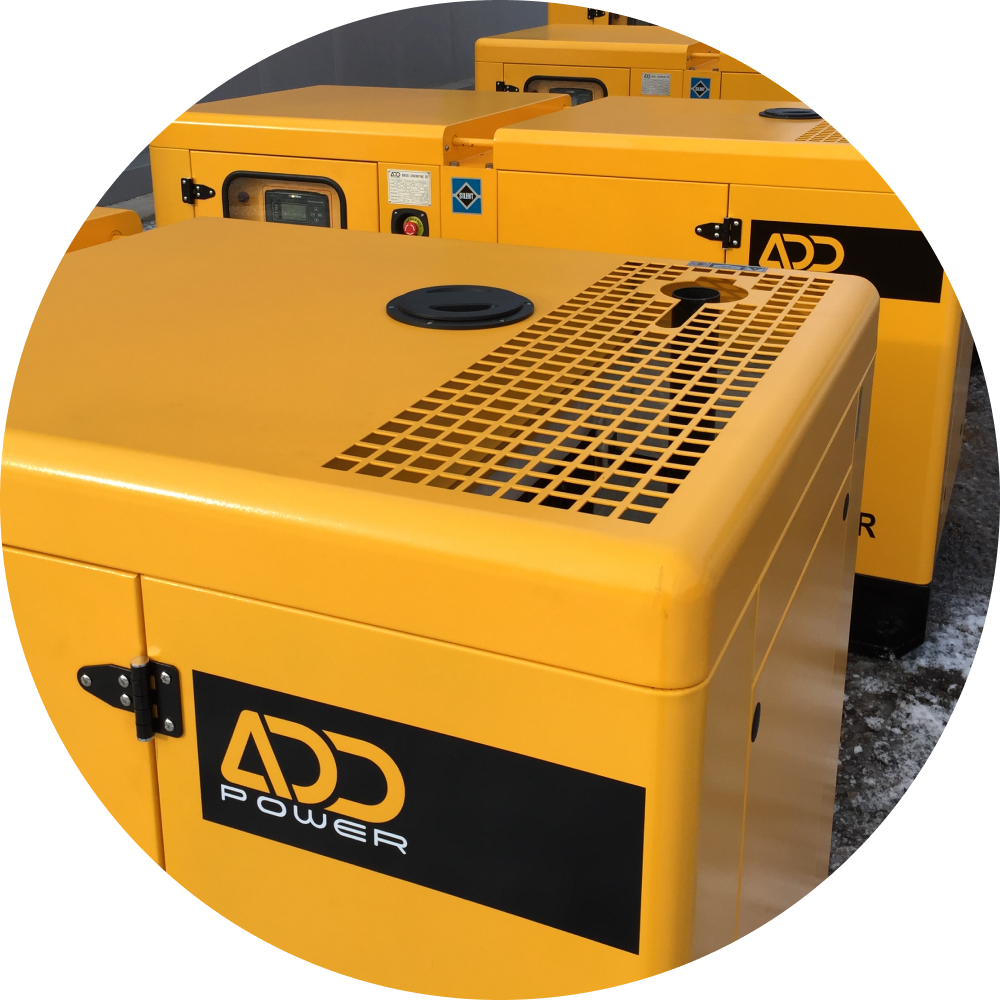
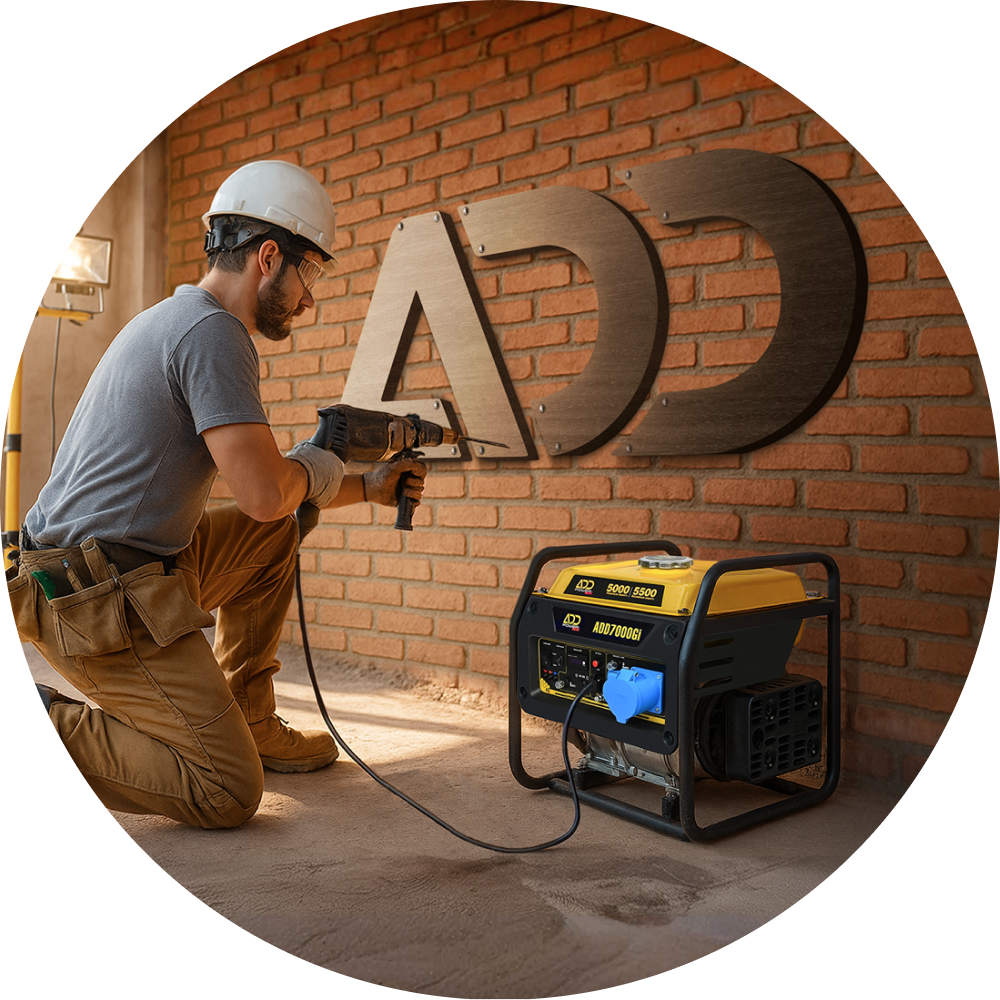
Professional Equipment Selection with ADD Group
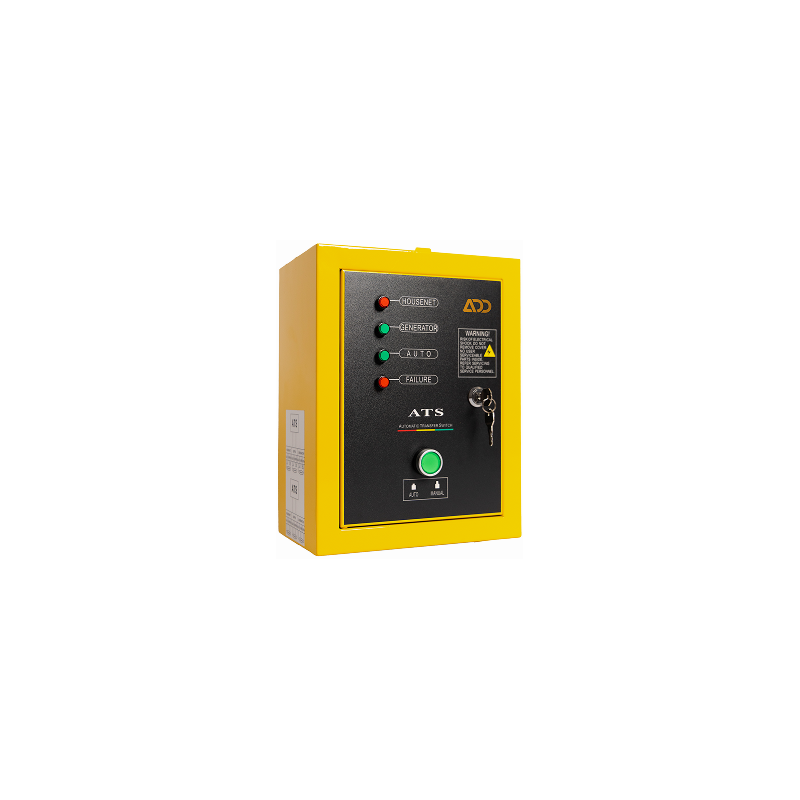
There is no need to calculate the load blindly. ADD Group supplies gasoline, diesel, and inverter generators adapted to the climate conditions of Kazakhstan. We provide a full cycle of services: from a free energy consumption audit of your facility and calculation of starting currents to installation, ATS unit setup, and further service maintenance.