In simple terms: need backup power in case the city grid goes down? Focus on Standby. Will the generator be the main source of electricity?
Focus on Prime. The key question when selecting a generator is not just “what is its power rating?” but “what operating mode will it be used in?”.
What is the difference between Prime and Standby?
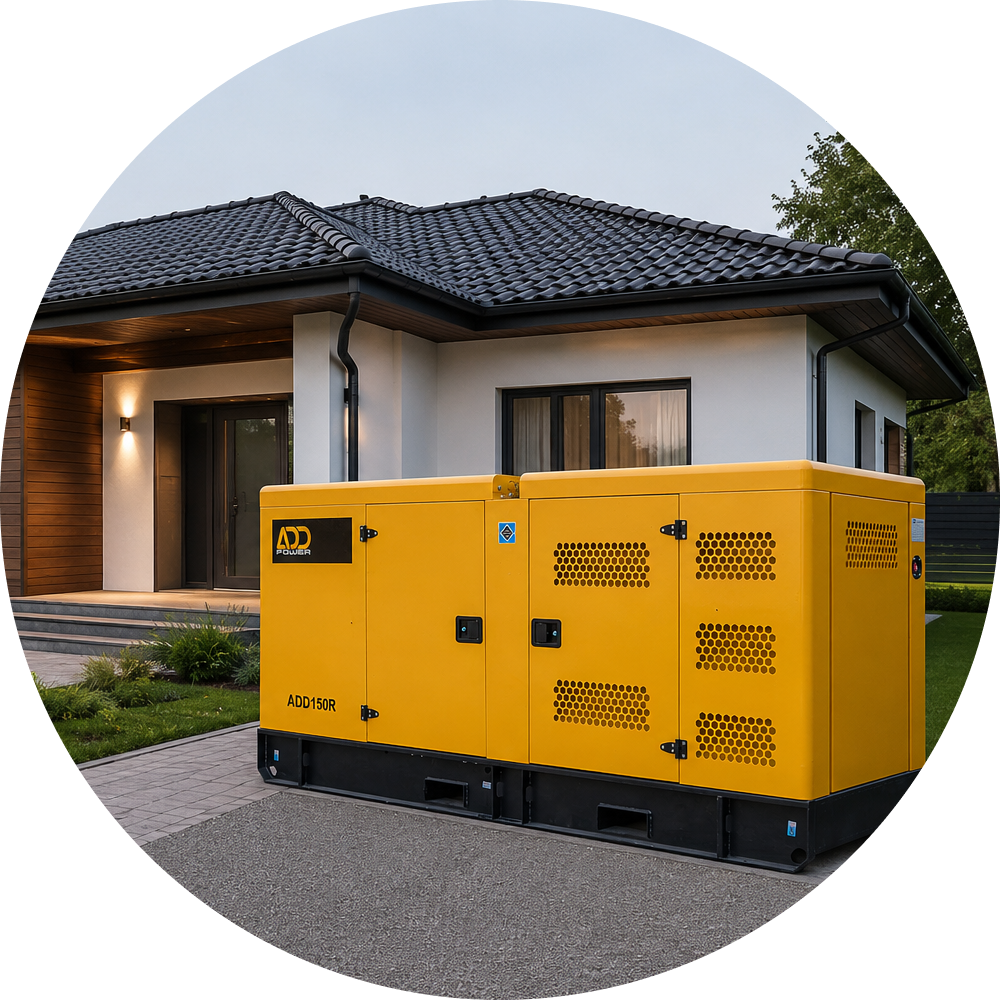
Standby (ESP) is used for backup power supply: the generator is connected to a facility that has access to the city grid and starts only when the grid power is interrupted. This mode is typical for restaurants, hotels, offices, warehouses, clinics, and shopping centers. In this case, the Standby rating is used as the main reference when selecting equipment.
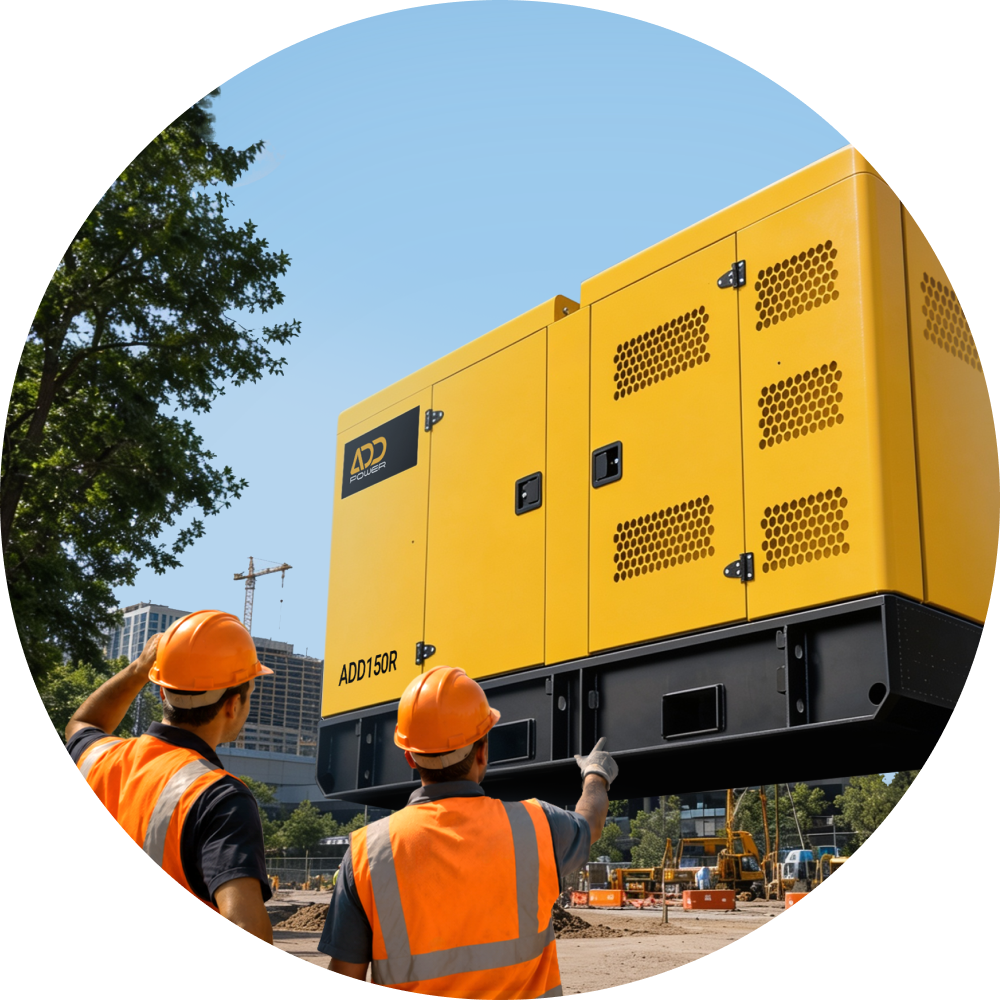
Prime (PRP) is used as the main source of electricity: the generator operates regularly and for long periods of time, most often at sites without a stable grid connection — for example, construction sites, quarries, farms, or remote production facilities. For these applications, the key selection parameter is Prime power.
The main rule is simple: if the facility is connected to the city grid and the generator is needed only in case of emergency power outages, the calculation should be based on Standby. If the generator becomes the main power source for the facility, the equipment should be selected based on Prime.
When is a Standby generator needed?
Standby mode is used at facilities where the main power supply comes from the city grid, while the generator is needed as a backup source. Under normal conditions, the diesel generator set remains on standby and starts only when the power goes out.
This setup is relevant for facilities where even a short power outage can lead to financial losses, equipment shutdowns, operational failures, or disruption of technological processes.
For example:
- restaurants and cafes;
- hotels;
- shopping and business centers;
- medical facilities;
- warehouse complexes;
- server rooms and data centers;
- production facilities with backup power requirements.
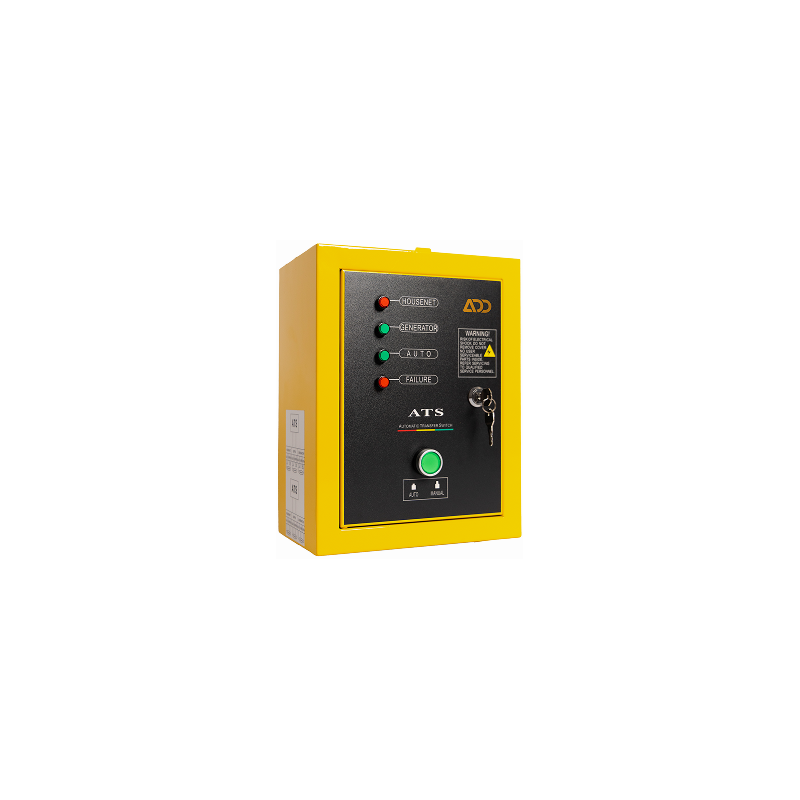
In most cases, a generator in this mode operates together with an ATS system — an automatic transfer switch. When the city grid goes down, the ATS starts the generator and transfers the load to it. Once the grid power is restored, the facility switches back to the main power supply, and the generator stops.
For these applications, the key parameter is Standby.
When is a Prime generator needed?
Prime mode is suitable for facilities that do not have a permanent connection to the centralized power grid, or where the city grid cannot serve as the main power source. In this case, the diesel generator set supplies the facility with electricity regularly and for long periods of time.
This mode is used where the generator effectively replaces the main grid:
- at construction sites;
- in quarries;
- at mining enterprises;
- on drilling rigs;
- in shift camps;
- at agricultural facilities;
- at remote production sites.
In Prime mode, the generator is designed for long-term operation under variable load. Therefore, when selecting equipment for autonomous sites, you should focus not on Standby, but specifically on Prime power.
Why is Prime usually lower than Standby?
The Prime and Standby ratings of the same generator may differ. For example, the specifications may indicate:
Standby — 100 kW
Prime — 90 kW
This is normal. The difference is related to how the generator will be used.
Standby can be compared to a sprint: the generator must start quickly and supply the facility with electricity during an emergency outage. This mode does not imply continuous daily operation under high load.
Prime is more like a marathon: the generator works longer and more regularly, so the manufacturer specifies a power rating at which the equipment can operate reliably, preserve engine life, and avoid constant overload.
That is why Prime power is usually lower than Standby power.
Example: the same load, but two different generators
Let’s imagine two tasks with the same power demand — 100 kW.
Task 1. A restaurant in the city
The restaurant is connected to the city grid. The generator is needed only in case of an emergency power outage, so that the kitchen, refrigeration equipment, lighting, cash register, and other critical systems can continue operating.
In this case, you can consider a generator with the following specifications:
Standby — 100 kW
Prime — about 90 kW
For the restaurant, the key parameter will be Standby, because the generator is used as a backup power source.
Task 2. A construction site without grid power
The construction site has no connection to the centralized power grid. The generator must power equipment with a total load of 100 kW every day.
In this case, choosing a model with Standby 100 kW would not be correct: for continuous operation, this power may not be sufficient. You need a generator set with a Prime rating of at least 100 kW.
In other words, the load is the same in both cases — 100 kW. But because the operating modes are different, the final equipment selection will also be different.
For the restaurant, a model rated at Standby 100 kW is enough.
For the construction site, a more powerful generator with Prime of at least 100 kW will be required.
Why is it important to define the operating mode correctly?
If a generator is selected based on Standby and then used as the main power source, the equipment will operate under conditions it was not designed for. This can lead to overloads, accelerated engine wear, increased fuel consumption, and a shorter generator service life.
On the other hand, if a generator with excessive power reserve is selected where backup mode would be sufficient, the customer may overpay for power that will not actually be used.
Correct generator selection is not just about choosing the closest number in kW. It is important to consider the real conditions of the facility: how often the generator will operate, what loads it will power, whether there is equipment with starting currents, whether an ATS is required, and what power reserve is needed.
How do ADD GROUP specialists select a generator?
ADD GROUP specialists begin the selection process not with a specific model, but with an analysis of the facility’s tasks. The calculation takes into account:
- generator operating mode: Prime or Standby;
- actual facility load;
- equipment starting currents;
- the need to connect an ATS;
- optimal power reserve;
- facility specifics and project budget.
This approach helps select a diesel generator that will meet the facility’s needs without power shortages and without unnecessary overpayment.
If you need a generator for backup or main power supply, contact ADD GROUP specialists. Our engineers will help calculate the required power and select the optimal solution for your facility.